

In the contemporary period of mass production and consumerism, the term “Factory farm animal cruelty” has turn out to be synonymous with efficiency and affordability in the food sector. Nonetheless, powering Animal rights legislation of these industrialized functions lies a dim actuality of animal suffering and cruelty that often goes unseen by the typical buyer.
Manufacturing facility farming, also known as industrial agriculture, is a technique of intense animal farming that prioritizes substantial output and earnings margins over the nicely-getting of animals. In these facilities, animals are confined to cramped and unsanitary problems, typically unable to show their all-natural behaviors or access suitable nourishment and veterinary care.
One of the most significant concerns related with factory farming is the extreme confinement of animals. Pigs, chickens, and cows are regularly housed in overcrowded and barren cages or pens, unable to transfer freely or interact in natural behaviors such as foraging or socializing. This confinement not only leads to physical soreness and stress but also boosts the chance of injuries and condition amid the animals.
In addition, the use of antibiotics and progress hormones is popular in manufacturing unit farms to market rapid growth and avert the unfold of condition in these kinds of crowded situations. This overreliance on antibiotics has contributed to the rise of antibiotic-resistant microorganisms, posing a serious threat to general public health.
The program practices used in manufacturing facility farms also inflict huge struggling on animals. For case in point, in the egg market, male chicks are regarded economically worthless and are often discarded alive by the hundreds every working day, either by currently being floor up alive or suffocated in plastic baggage. Equally, in the dairy sector, calves are separated from their moms shortly right after start, triggering distress to each the calf and the mom.
Probably one of the most disturbing aspects of factory farming is the widespread acceptance of cruel and inhumane treatment of animals as common market practices. Undercover investigations have unveiled cases of personnel kicking, beating, and even sexually abusing animals in these amenities. Even with such egregious functions of cruelty, perpetrators are hardly ever held accountable due to inadequate oversight and enforcement of animal welfare rules.
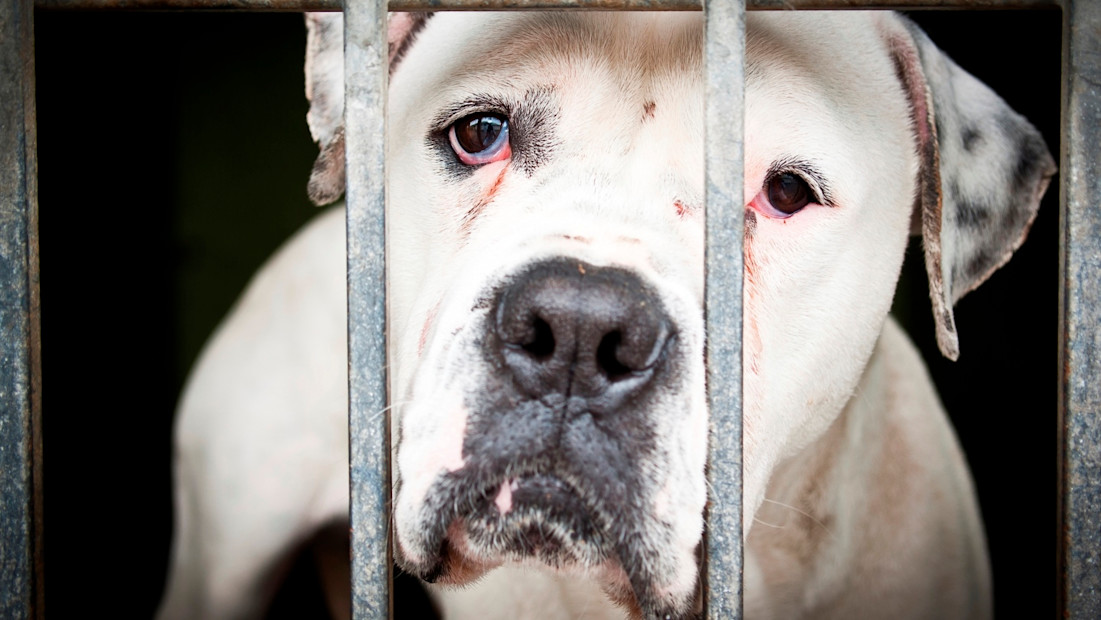
The environmental affect of Manufacturing facility farm animal cruelty can not be ignored either. The intensive manufacturing of animal waste in these services sales opportunities to air pollution of air, drinking water, and soil, contributing to local climate alter and ecological degradation. Furthermore, the enormous intake of methods such as drinking water and grain to feed livestock additional strains worldwide foods systems and exacerbates concerns of foods insecurity and inequality.
Even with these grim realities, there is hope for adjust. Elevated client awareness and desire for ethically sourced and sustainably developed foodstuff products have led to the increase of alternative farming procedures such as natural and organic farming, pasture-lifted livestock, and plant-dependent alternatives to animal merchandise.
As consumers, we have the electricity to drive good change in the foods sector by creating educated selections and supporting moral and sustainable farming practices. By choosing to boycott factory-farmed goods and advocating for stronger animal welfare regulations, we can help reduce the struggling of hundreds of thousands of animals and develop a much more compassionate and sustainable foodstuff technique for long term generations.